
The Big Sip

Image: Neuralink
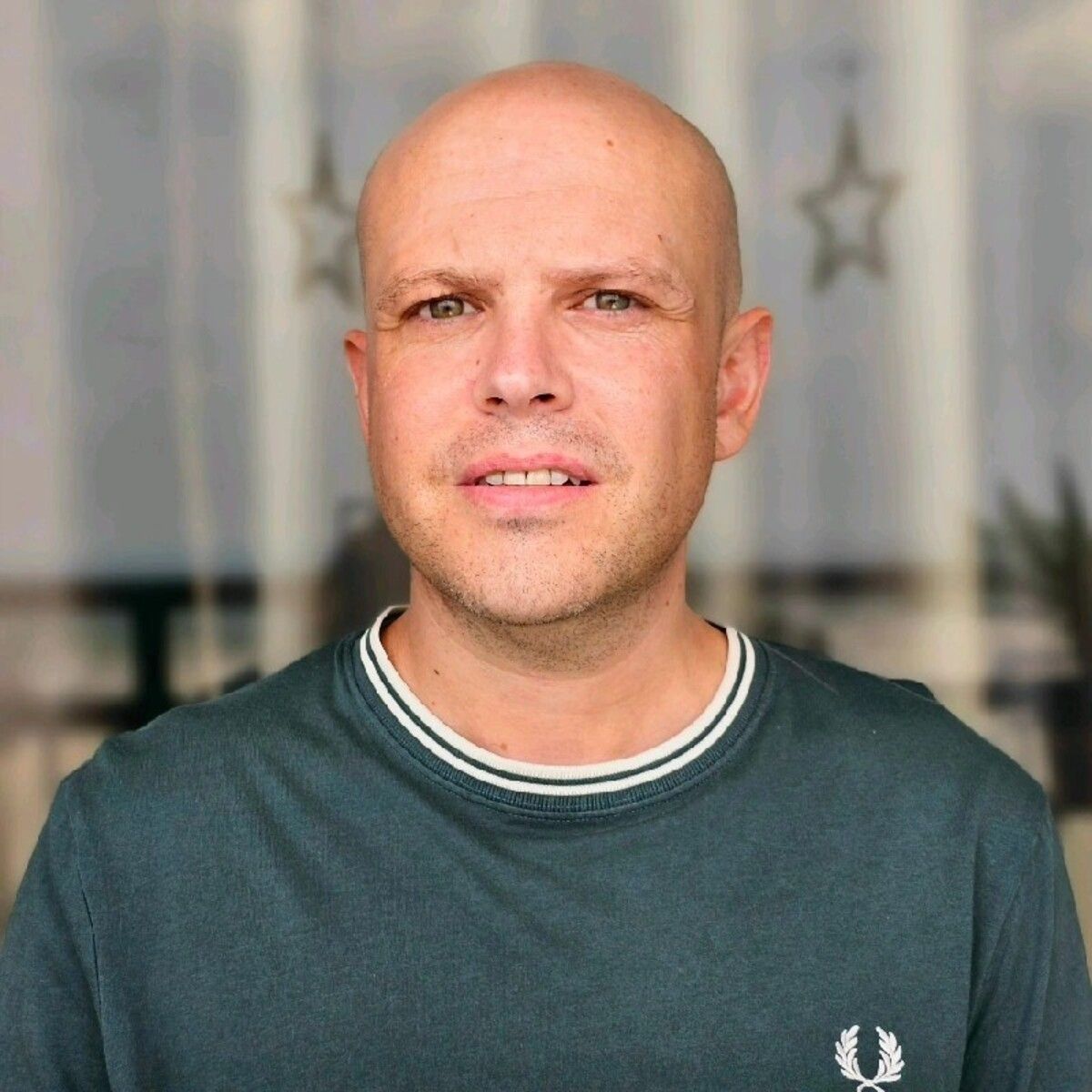
The take: Neuralink's first UK brain implant worked quickly. Paul was controlling a computer cursor with his thoughts the day after surgery.
What happened: UCLH neurosurgeons Harith Akram and William Muirhead implanted Neuralink's N1 device into Paul, a motor neuron disease patient paralyzed from the neck down.
Using the company's R1 surgical robot to thread over 1,000 electrodes into his motor cortex at University College London Hospitals.
Why it matters: This marks Neuralink's first trial outside North America and demonstrates that brain-computer interfaces can expand internationally.
13 patients now have active implants with 15,000 cumulative hours of use as of 27 October 2025, while competitors complete multi-year approval processes.
What to watch: The GB-PRIME study will enroll up to seven UK participants who can't walk or manually control devices.
[Report] UCL announces first UK patient success, published 27 October 2025.
Paul was able to move a computer cursor using only his thoughts on the day following surgery and returned home from the hospital.
Now working with Neuralink engineers to explore using the implant to play his favorite video game, Dawn of War.
Paul's playing video games with his brain while ethicists are still writing papers about whether we should let him.
Sponsor Break
Before we jump into today’s brew, here are some words from today’s sponsor…
Introducing the first AI-native CRM
Connect your email, and you’ll instantly get a CRM with enriched customer insights and a platform that grows with your business.
With AI at the core, Attio lets you:
Prospect and route leads with research agents
Get real-time insights during customer calls
Build powerful automations for your complex workflows
Join industry leaders like Granola, Taskrabbit, Flatfile and more.
Here’s Your Brew
UK regulators approved Neuralink's trial surprisingly fast.
On 27 October 2025, UCLH announced that Paul was controlling computers with his thoughts the day after surgery.
The approval process moved faster than typical medical device timelines.
Neuralink has a first-mover advantage in brain-computer interfaces.
Patients like Paul now depend on a private company for a device essential to their autonomy.
More UK human trials on brain implants are on the way.
With Newcastle Hospitals as the second trial site, testing whether NHS infrastructure can support experimental neurotechnology without the private insurance mechanisms that funded US trials..
Two Sides, One Mug

Image: Neuralink
Pro: The technology works. 13 patients worldwide now have active implants with 15,000 cumulative hours, proving brain-computer interfaces can restore autonomy to paralyzed individuals.
Faster regulatory approval in markets like the UK means life-changing tech reaches patients years sooner than traditional medical device timelines would allow.
Con: Expedited experimental brain implants raise questions about long-term safety. What happens when a private company controlling someone's neural interface experiences financial difficulties?
Or changes direction, and whether access becomes limited to wealthy individuals while regulatory oversight struggles to keep pace.
Our read: The science works and Paul's quality of life improved measurably.
But how do we regulate medical devices with software components that can be modified after implantation?
Receipt of the Day
[Primary] Nature perspective on brain implant ethics by University of Washington bioethicists
Academic researchers Nancy Jecker and Andrew Ko flag that the most immediate concern isn't hacking or privacy but funding withdrawal.
Warning that patients whose access to a breakthrough device is tied to a research study face devastating loss if the study ends or company funding disappears.
Raising questions about whether it's ethical to provide early access to experimental interventions before full FDA approval.
Spit Take
13 patients. 15,000 hours. One regulatory model. — WebProNews
Coffee Break Links ×3
IBTimes UK on the procedure details — Best breakdown of how the R1 surgical robot places 64 ultra-thin threads containing 1,024 electrodes into specific brain regions. And why Paul could control devices within hours instead of weeks. [Report]
Frontiers on brain implant ethics — Comprehensive academic review of what happens when patients become dependent on private companies for device maintenance, privacy implications of bidirectional brain-computer interfaces, and whether enhancement applications will deepen social inequality. [Analysis]
MIT Technology Review on Neuralink's 2025 projections — Context on how Neuralink plans to implant 20-30 patients by end of 2025, comparison with competitors like Synchron and Precision Neuroscience, and why FDA "breakthrough device designation" for vision restoration doesn't mean trials start immediately. [Analysis]
Join your team of caffeinated skeptics. ☕
Opinionated world news that respects your time.
One bold take, the best counter, and the receipt(s) that prove it (all in six minutes).
Mugshot Poll 📊
Would you get a Neuralink implant if you were healthy?
Before we wrap up today…
Does crypto/Web3 intrigue you?
Is worrying about losing money or getting scammed stopping you from investing?
This course is for you!
Click to share (2 referrals get you free access to your very own crypto mastery email course).
Everything you need to unlock crypto in 5 days (for beginners).
You can read yesterday’s newsletter on password leaks here.
For the love of coffee, see you tomorrow!
Enjoy your Wednesday, keep it caffeinated.
How did we do?
Thanks for reading!
Are you subscribing?
Be sure to get your daily curse and coffee fix by hitting that subscribe button.


